Haïti, 15 Years after the Earthquake of January 12, 2010

The 12 January 2010 Mw 7.0 earthquake in the Republic of Haiti caused an estimated 300,000 deaths

On 12 January 2010, at 4:53 p.m. local time, a magnitude 7.0 earthquake struck the
Republic of Haiti, with an epicenter located approximately 25 km south and west of the capital city of Port-au-Prince. Near the epicenter of the earthquake, in the city of Le ´oga ˆne, it is
estimated that 80%–90% of the buildings were critically damaged or destroyed. The metro-
politan Port-au-Prince region, which includes the cities of Carrefour, Pe ´tion-Ville, Delmas,
Tabarre, Cite Soleil, and Kenscoff, was also severely affected. According to the Govern-
ment of Haiti, the earthquake left more than 316,000 dead or missing, 300,0001 injured, and
over 1.3 million homeless (GOH 2010). According to the Inter-American Development
Bank (IDB) the earthquake was the most destructive event any country has experienced in
modern times when measured in terms of the number of people killed as a percentage of the
country’s populatio

Overview of the 2010 Haiti Earthquake


  • October 1935: Unnamed storm kills more than 2,000 people before strengthening into hurricane.
  • October 1954: Hurricane Hazel kills hundreds and razes coffee and cacao plantations.
  • October 1963: Hurricane Flora hits southwestern region as Category 4 storm, killing about 6,000.
  • August 1964: Hurricane Cleo hits southwest as Category 4 storm, killing nearly 200.
  • September 1966: Hurricane Inez hits southern region as Category 3 storm, killing nearly 500.
  • August 1980: Hurricane Allen barrels into southern coast, causing about 200.
  • September 1988: Hurricane Gilbert wrecks southern coast, killing dozens and causing $90 million in damage.
  • November 1994: Tropical Storm Gordon hits southern region, killing more than 1,100 people causing about $50 million in damage.
  • 1998: Hurricane Georges kills more than 800, displaces nearly 170,000, destroys 80 percent of Haiti’s crops and causes more than $300 million in damage.
  • September 2004: Tropical Storm Jeanne causes heavy flooding and landslides that kill about 2,000 and leave 200,000 homeless in Gonaives, Haiti’s third-largest city.

  •  October 2007: Tropical Storm Noel unleashes mudslides and floods, killing about 60.

  • August/September 2008: Tropical Storm Fay and hurricanes Gustav, Hanna and Ike strike Haiti in space of one month, killing some 800 and causing $1 billion in damage.

    Timeline of major storms to hit Haiti in recent history

Leave a Reply

Your email address will not be published. Required fields are marked *

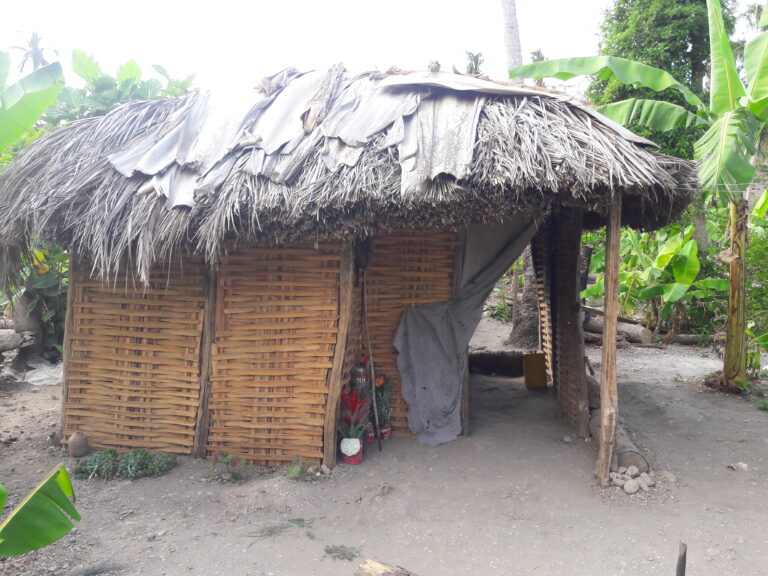
Houses of Legros

In 2016, Crefis decided to take a picture of the houses of Legros. Perhaps, in 20 years we will see the progress made in the

Read More »

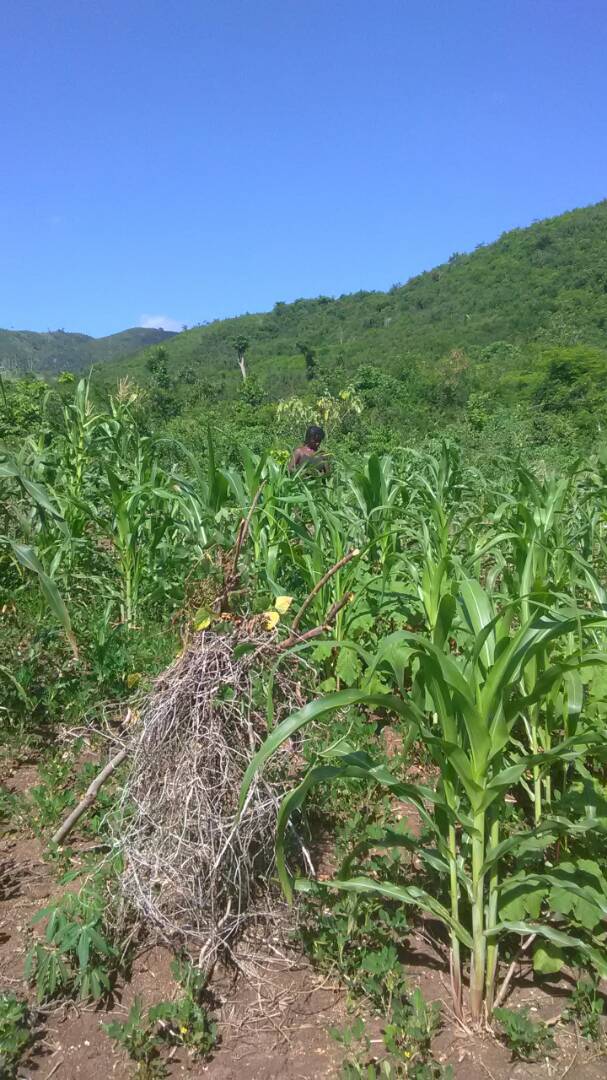
Activities en 2019

Crefis did not just provide seeds and tools for groups of Family in Legros. the idea was to start a bank of seeds and tools.

Read More »

Mission of Crefis

The mission of CREFIS is to support local leaders and affiliated groups aligned with its vision and ideals, guiding them toward the eradication of poverty in all its forms in Haiti.

To achieve this mission, CREFIS works to:

  • Create local leadership capable of initiating sustainable and endogenous development initiatives to meet basic human needs;

  • Organize discussions and training sessions on the causes of underdevelopment in Haiti and on prioritizing key challenges;

  • Develop projects collaboratively with affiliated groups, encouraging grassroots development initiatives;

  • Present projects to partner aid organizations, with a strong focus on training, investment management, and project monitoring;

  • Combat corruption by positioning itself as a transparent intermediary between aid organizations and beneficiaries-actors.

Vision of CREFIS

CREFIS aims to identify, support, and train traditional associations in the commune of Roseaux as part of a pilot experience that will later extend to all communes of the Grand’Anse Department and throughout Haiti. This support is technical, institutional, and administrative in nature.

The organization’s field of action encompasses all areas of human and community development, with particular emphasis on:

  • environmental protection and agricultural development,

  • education and health promotion,

  • the emergence of community leadership,

  • and the development of microenterprise.

General Objective of crefis

CREFIS seeks to support and strengthen existing associations and community groups in Roseaux and throughout the Grand’Anse region by providing training and guidance. Its objective is to help these groups break the vicious cycle of poverty by promoting dynamic local leadership capable of initiating, managing, and monitoring investment projects focused on basic human needs, including access to potable water, electricity, health services, education, employment, and cooperation.
Beneficiary groups are viewed not merely as recipients of aid, but as beneficiaries-actors—agents capable of actively contributing to their own emancipation.